

Project basis
Location, stage, client brief, design basis, applicable requirements, appointed parties, programme, and acceptance process.
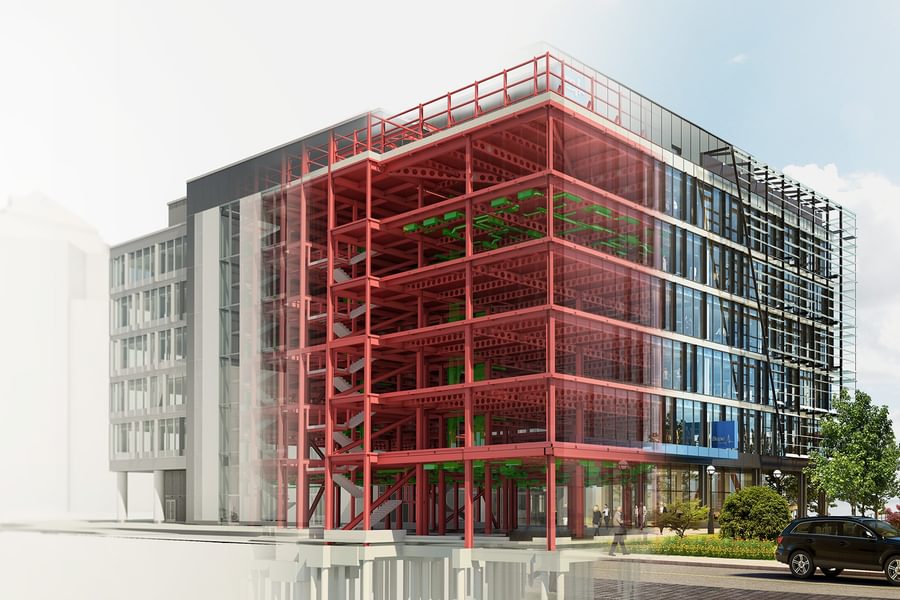
Coordinated architecture, structural, HVAC, MEPF, and BIM support organised around the project design basis, discipline responsibilities, interfaces, review stages, and required deliverables.

From concept to construction, our multidisciplinary team supports coordinated design, issue review, buildability assessment, and performance requirements defined for the project.
A building-engineering appointment should say what information is available, what each discipline must produce, who retains design authority, and how coordinated information will be reviewed and accepted.
Location, stage, client brief, design basis, applicable requirements, appointed parties, programme, and acceptance process.
Plans, sections, elevations, room data, envelope, materials, accessibility, fire strategy inputs, and authority comments available to the team.
Grid, loads, analysis and design inputs, material strategy, movement, openings, embeds, tolerances, and review responsibilities.
Loads, zoning, system strategy, equipment, utilities, schematics, controls, plant space, distribution zones, and commissioning inputs.
Model uses, information need, coordinates, naming, exchange formats, CDE workflow, issue protocol, and model responsibility matrix.
Calculations, drawings, models, schedules, reports, review gates, issue status, revision evidence, and the exact acceptance criteria.
Remote engineering support does not replace the locally appointed professionals, authorities, contractors, or certifiers responsible under the project contract and jurisdiction.
Define a work packageRecord who authors, reviews, approves, coordinates, and accepts each deliverable and interface.
Confirm project inputs, assumptions, codes, client standards, units, coordinates, and information requirements.
Review structure, architecture, services, access, clearance, penetrations, plant space, maintainability, and sequencing.
Track issues to an agreed status, record decisions and revisions, complete release checks, and issue the accepted information.
Use these guides to structure coordination, existing-condition information, and partner responsibilities before the work package begins.
Interface planning, issue governance, model coordination, and the conditions required to reduce rework.
Read guideSurvey inputs, model reliability, tolerances, uncertainty, and design coordination for existing buildings.
Read guideA practical evaluation framework for scope, quality, communication, data handling, and acceptance.
Read guide