
01
Generative & Computational Design
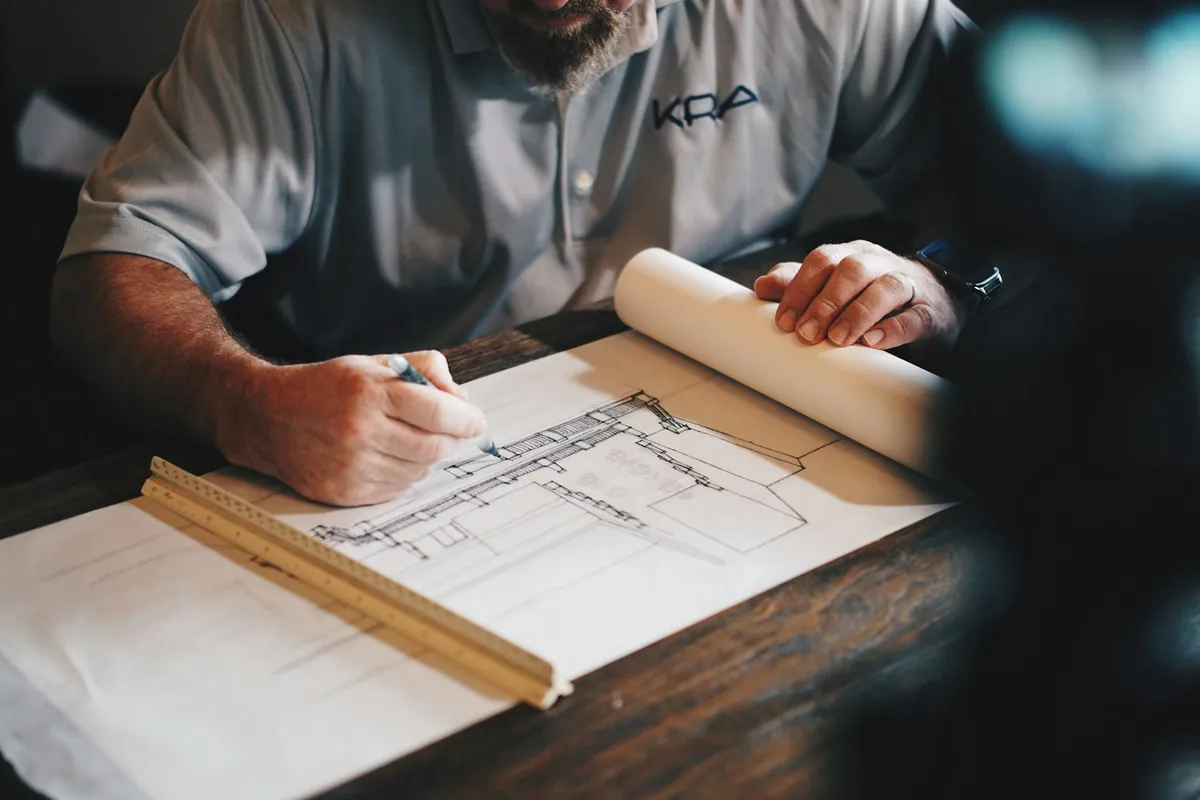
We test ways to compare design options using agreed cost, performance and material targets. The project team reviews the results and chooses the design.
We research AI, automation, and reality-capture workflows around defined engineering problems. Any client use is governed by the project inputs, validation method, data rules, human review, and acceptance criteria.
Applied engineering R&D, focused on the problems that slow real projects down and the technology that removes them.
We test ways to compare design options using agreed cost, performance and material targets. The project team reviews the results and chooses the design.
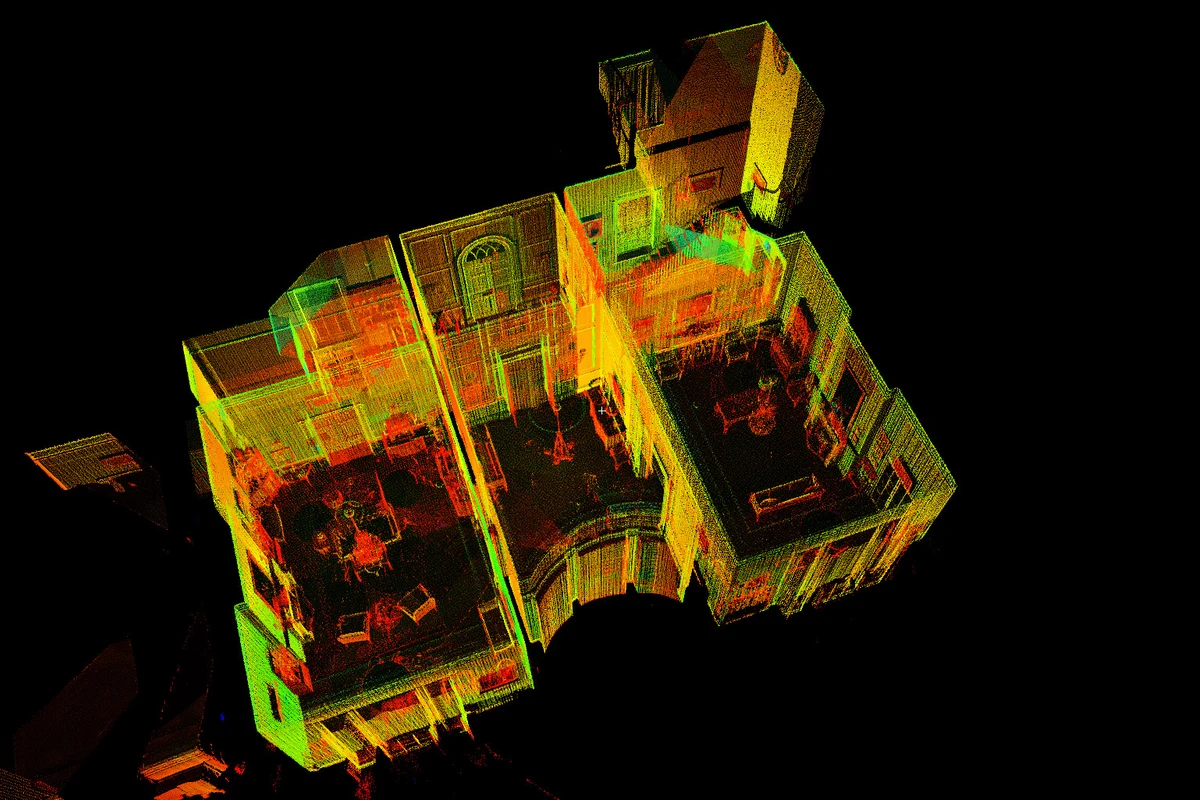
We are testing how computer vision can help classify scans and images. Engineers still check the model, its accuracy and whether it meets the agreed requirements.
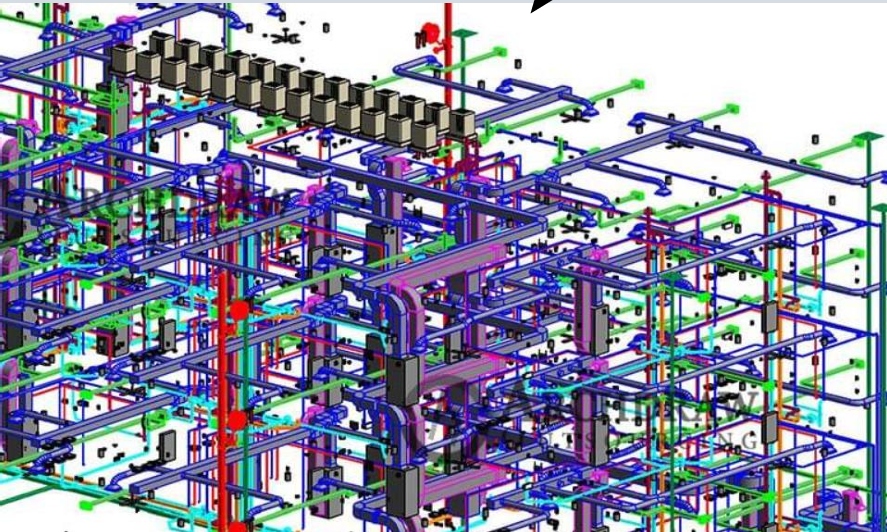
We test rules and machine learning to sort coordination issues. An engineer reviews which clashes matter and what needs to change.
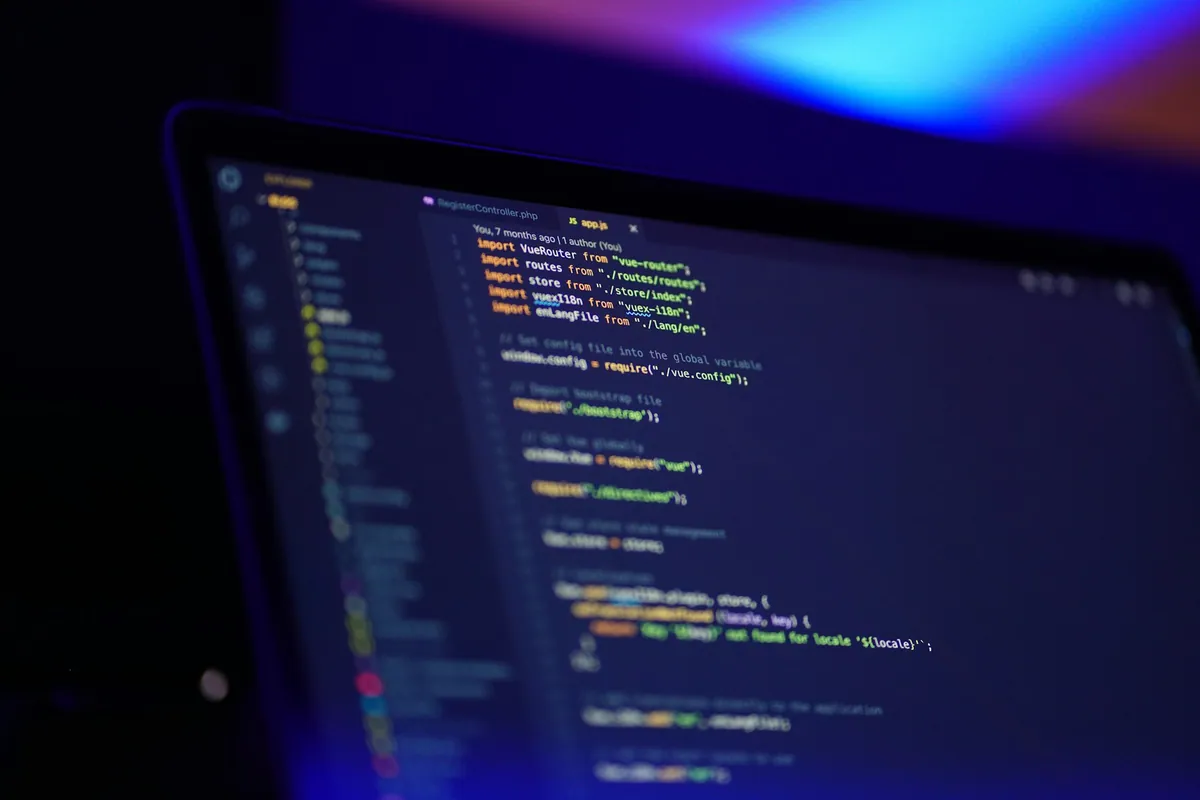
Our plugins and scripts help with repeated modeling, sheet setup and checking tasks. We test them against the project workflow before use.
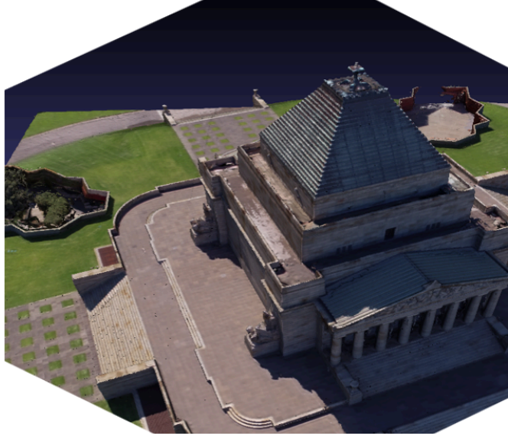
We explore ways to connect approved sensor data to asset models. Any project needs a clear data source, a useful operating question and agreed security controls.
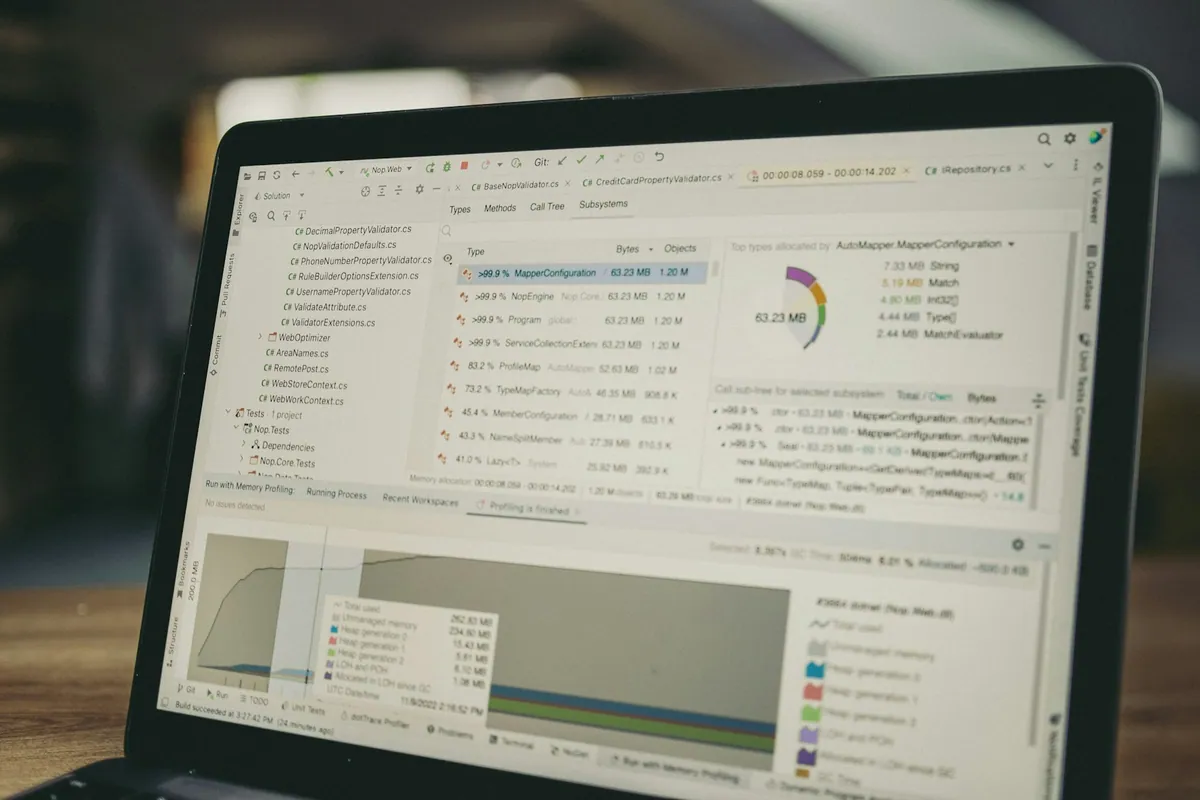
We test data models that help teams review quantities, cost drivers and project risks. The assumptions stay visible so engineers can check the results.
Image: Tudor Place interior laser scan, CyArk, CC BY-SA 3.0. Resized and cropped. Not a Spetia project.
Beyond services, we develop purpose-built software from concept and engineering through deployment, with product status and scope confirmed during evaluation.
An application developed to structure interiors mapping and measurement workflows for real-estate teams from approved project inputs.
A NeRF-based R&D engine for evaluating how approved drone footage can support 3D-mesh and digital-twin workflows.
A full-stack platform developed to coordinate large-scale mapping inputs, workflow stages, review, and output preparation.
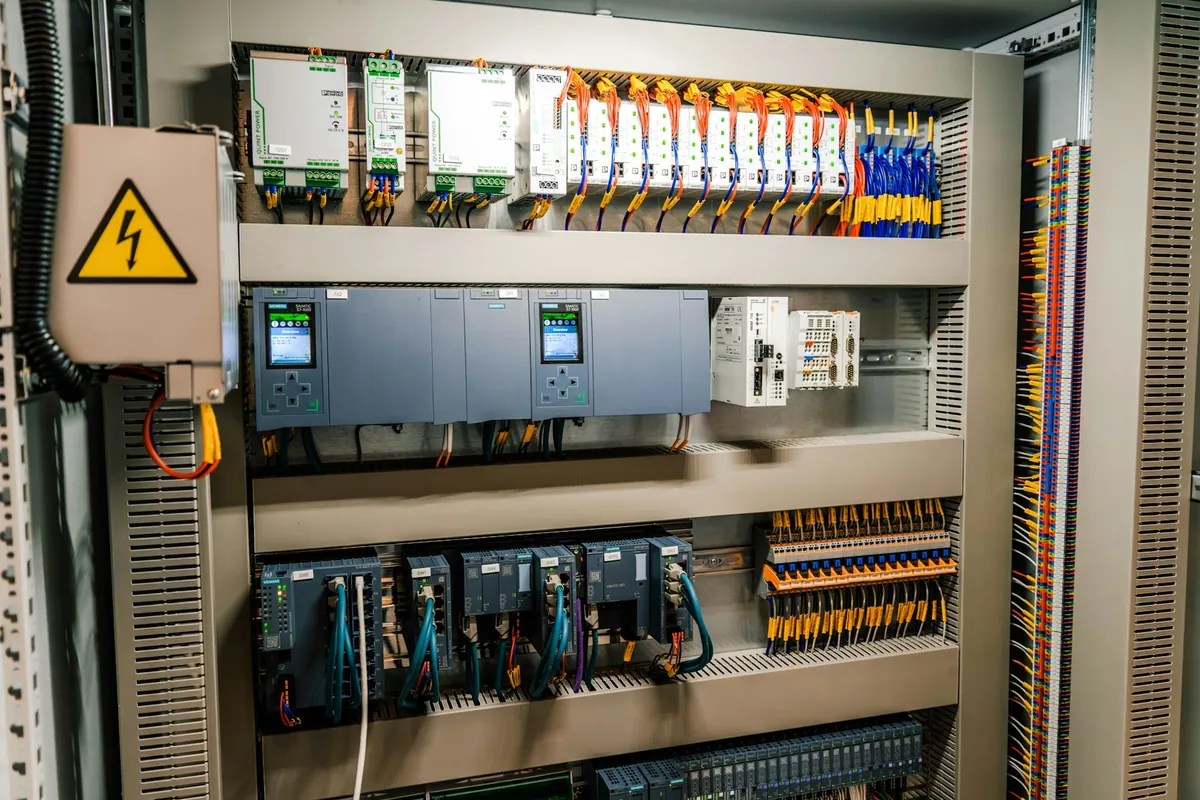
A useful experiment becomes a controlled workflow only after its inputs, limitations, validation method, reviewer, and measurable outcome are defined.
Our lab pairs current AI with documented engineering controls: approved data handling, visible assumptions, named review, and human-led acceptance.
Experiments start with a defined delivery problem and are tested against an agreed workflow before client use is considered.
Approved tools, access, transfer, retention, confidentiality, and any restrictions on external model processing are documented for the engagement.
Automation supports named specialists; engineering judgement, review responsibility, and acceptance remain assigned to people.
