On this page
Overview
- A cane-sugar process connects extraction with clarification, evaporation, crystallization and product separation.
- Coordinate large vessels, pipework and supporting structures using supplier and design information.
- A model supports spatial review; it does not perform pipe-stress or structural verification by itself.
A cane sugar mill combines extraction equipment with process vessels and extensive pipework. A 3D model helps the team review these interfaces before releasing the relevant construction information.
Milling tandem and boiling house
- 01Cane preparation & milling
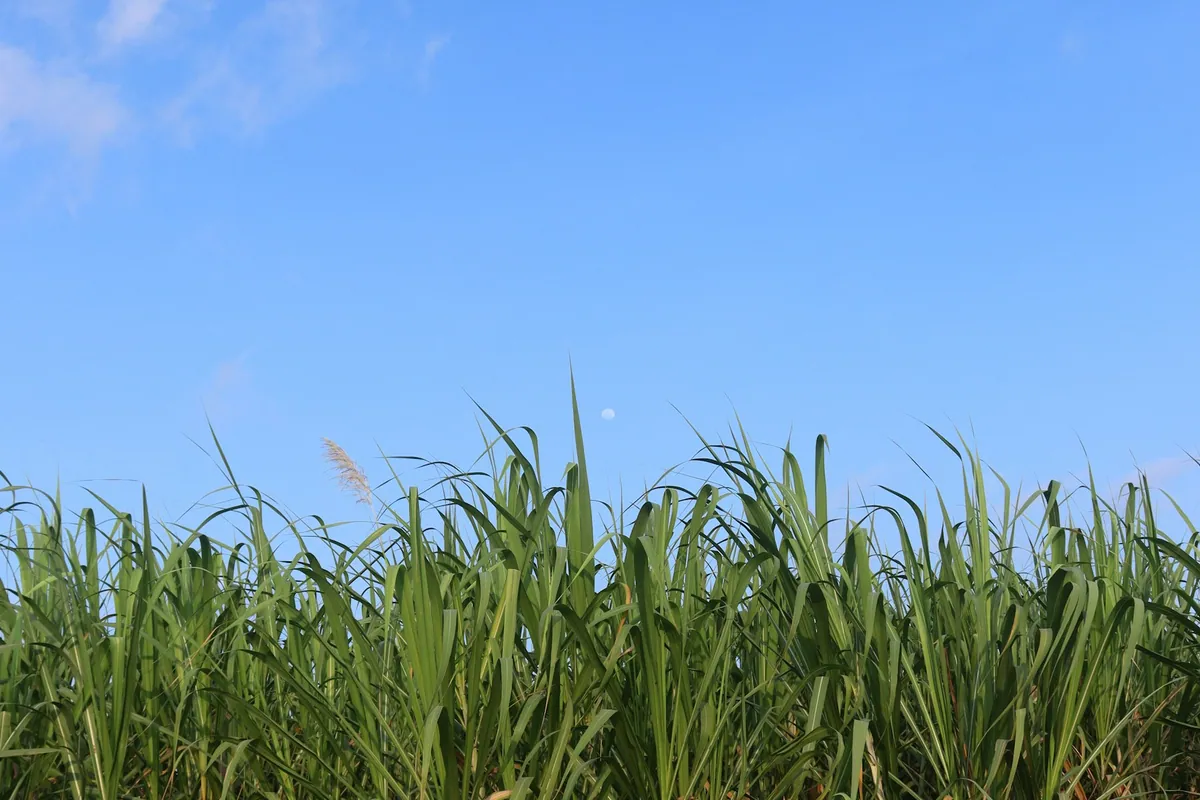
Cane is prepared (shredded) and crushed through a tandem of roller mills that extract juice while producing bagasse (used as boiler fuel).
- 02Juice clarification
Raw juice is heated, limed, and clarified to remove impurities as mud.
- 03Evaporation
Multiple-effect evaporators concentrate clarified juice into syrup, reusing vapour between effects for energy efficiency.
- 04Crystallisation (pan boiling)
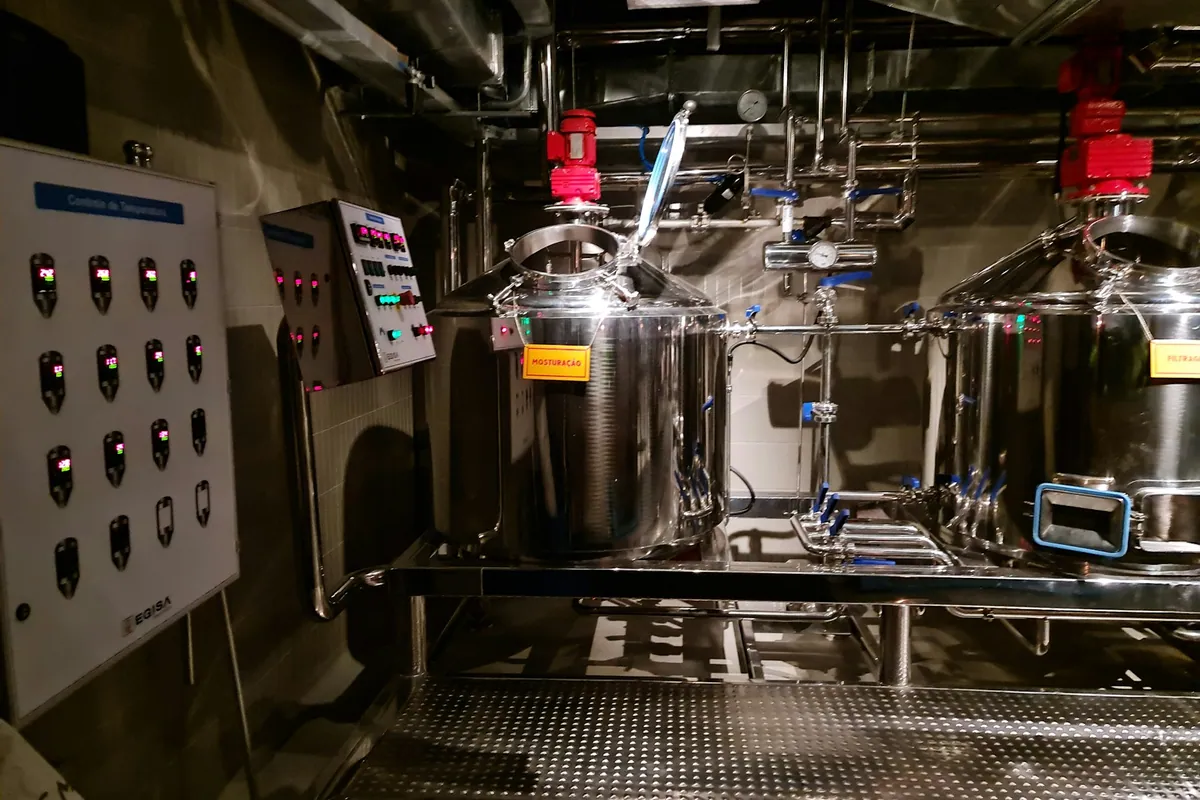
Syrup is boiled under vacuum in pans until sugar crystals form in a massecuite.
- 05Centrifugation & drying
Centrifugals separate crystals from molasses; sugar is then dried, graded, and packed.
Keep geometry and calculations connected
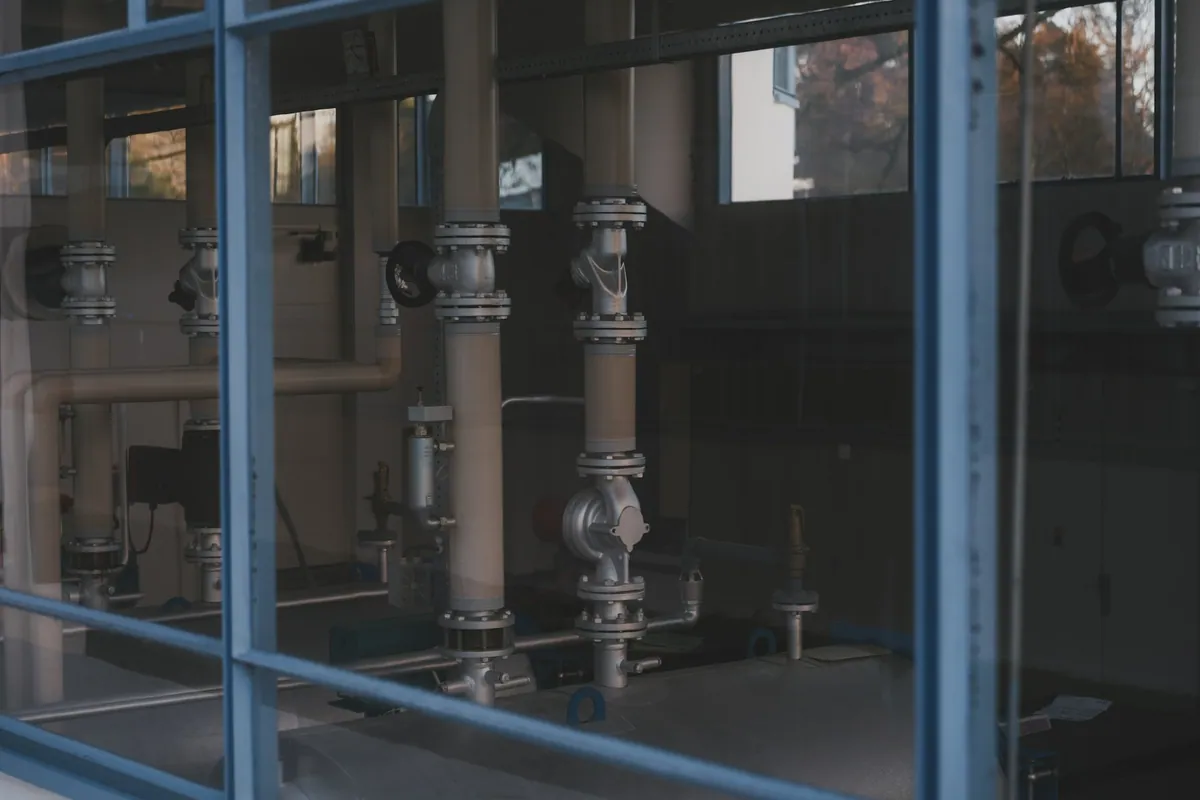
Steam, vapor and condensate routes connect the process equipment. Review the utility and heat-recovery arrangement against the selected process and operating cases. EPA’s AP-42 description is background on cane-sugar processing, not a current design or safety code.
Coordinate the next design package
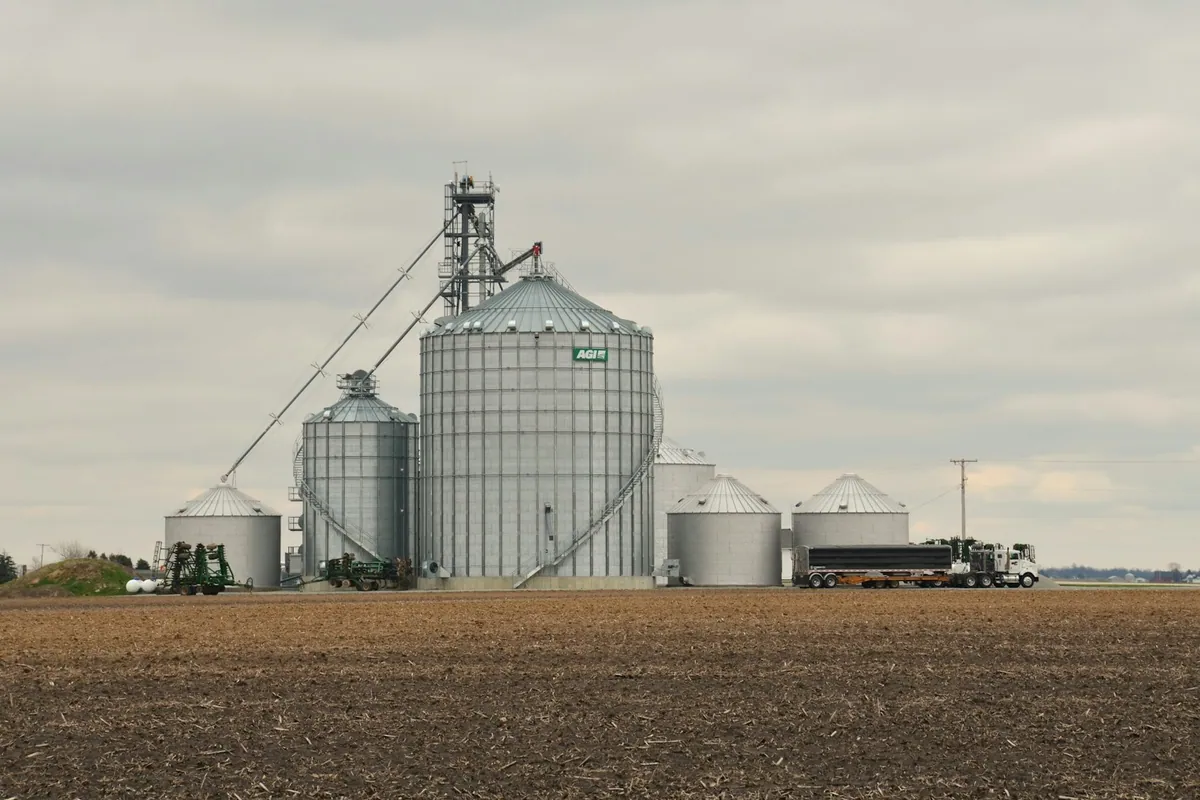
Vessel positions, steelwork and pipe routes need a shared coordinate basis and current supplier data. Check operating and maintenance access in the model. Pipe-stress analysis, structural calculations, support selection and equipment approvals are separate tasks whose results must feed back into the layout.
Technical references
Sources for the definitions and design context discussed here. Check the applicable edition and project requirements before using them in design.
- 01