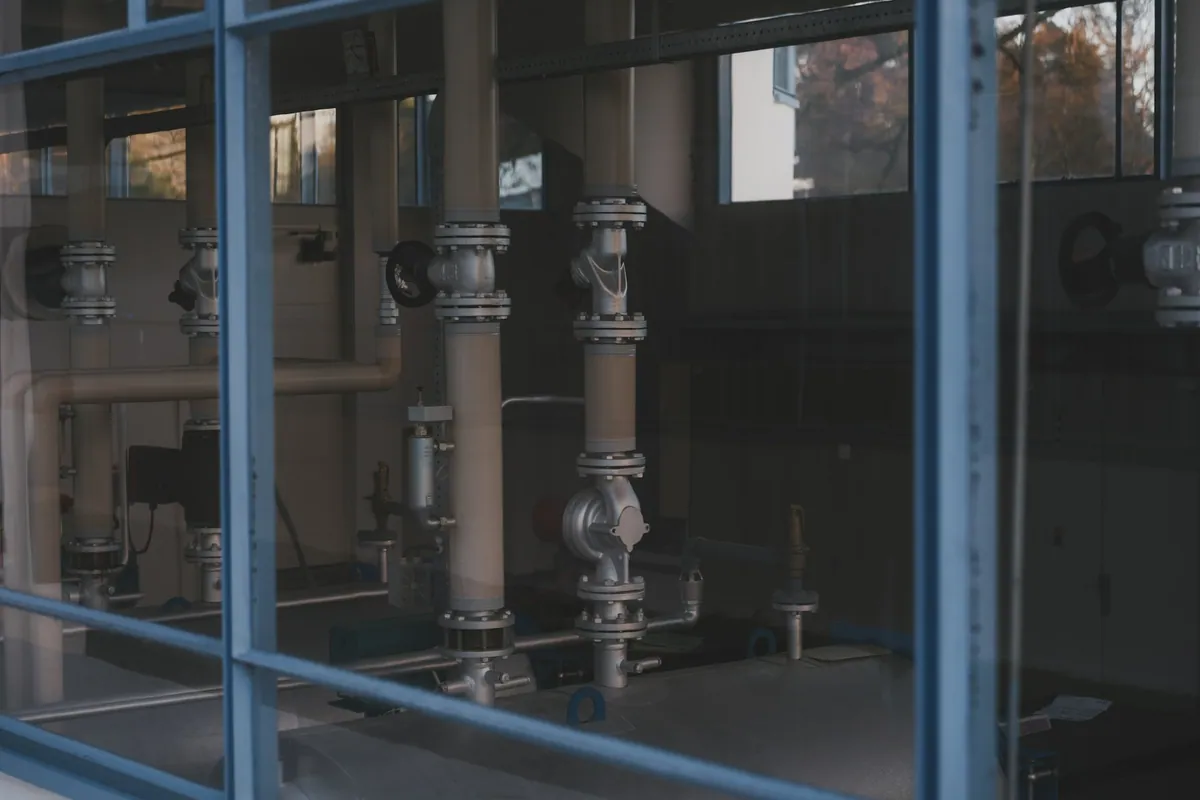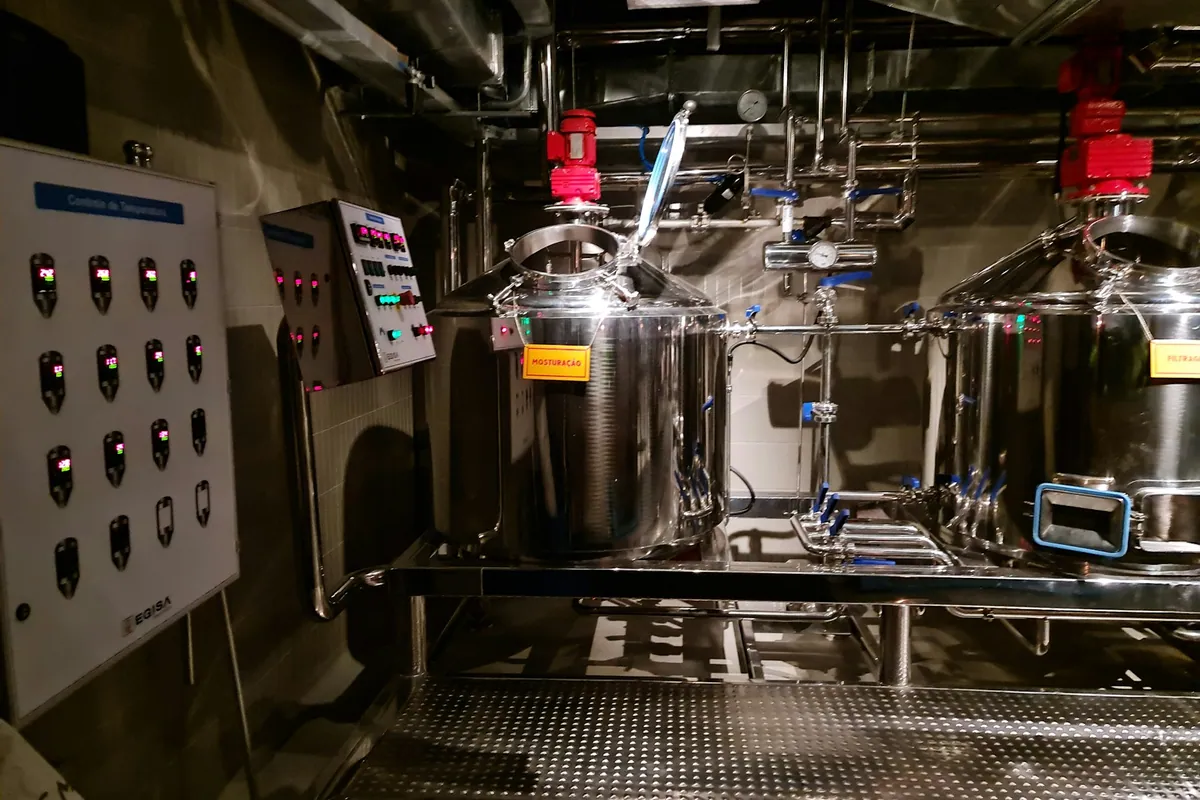
Stainless sanitary process piping in a food processing plant

Food Processing Plant Piping Design: Hygienic 3D Layout

Spetia Engineering R&D·February 25, 2026·9 min read
Key takeaways
  • 01Hygienic (sanitary) piping uses polished stainless tube with crevice-free joints, sloped for full drainability and designed to be cleaned in place (CIP).
  • 02The CIP system — its circuits, slopes, and dead-leg elimination — is the core of hygienic piping design; a single dead leg can fail an audit.
  • 03Material, surface finish (Ra), and joint type (orbital welds, hygienic clamps) are specified to the product and cleaning regime.
  • 043D piping models are essential to achieve slope, drainability, and access simultaneously in a congested plant — impossible to guarantee in 2D.

In food and dairy plants, the piping is part of the product-contact surface, so it is engineered to a completely different standard than industrial pipe. It must be cleanable without disassembly, drainable to dryness, and free of the crevices and dead legs where bacteria hide. Food processing plant piping design is therefore a discipline of slope, surface finish, and CIP circuitry — and one that is nearly impossible to get right without a 3D model.

What makes piping "hygienic"

  • Sanitary stainless tube (typically 316L) with a controlled internal surface finish (low Ra) so product releases and cleaning is effective.
  • Crevice-free joints — orbital-welded connections and hygienic tri-clamp fittings — instead of threaded or flanged industrial joints.
  • Full drainability: every line sloped to a low point so no product or cleaning fluid is trapped.
  • Dead-leg elimination: branches kept within strict length-to-diameter limits so no stagnant pockets form.

Why hygienic piping demands 3D

Slope, drainability, and access are three constraints that fight each other in a congested plant. A line sloped for drainage may clash with structure; rerouting for clearance may kill the slope; and both may block valve access for maintenance. In 2D these conflicts surface during installation. In a 3D model, we resolve slope, clash-free routing, and maintainable access simultaneously, and produce isometrics a fabricator can build directly.

316L
Typical sanitary stainless grade
Ra ≤ 0.8 µm
Common product-contact surface finish
0 dead legs
The hygienic design goal

Cleanable, drainable, buildable

Hygienic piping is where food plants pass or fail audits and where installation budgets blow out. Spetia Engineering designs sanitary piping in 3D — coordinated with equipment and structure, verified for slope and drainability, and delivered as buildable isometrics — so the plant is clean by design and installed without rework.

Frequently asked questions

What is a dead leg in hygienic piping and why does it matter?+
A dead leg is a section of pipe (often a branch or unused tee) where product or cleaning fluid can stagnate. Stagnant pockets harbour bacteria and are not reliably reached by clean-in-place cleaning, so they can fail hygiene audits. Hygienic piping design keeps branches within strict length limits to eliminate dead legs.
What is CIP (clean-in-place)?+
CIP circulates cleaning and sanitising solutions through the piping and equipment without disassembly. The piping must be designed as CIP circuits — with correct slopes, flow velocities, and no dead legs — so the system can be reliably cleaned between production runs.
Why can’t hygienic piping be designed in 2D?+
Hygienic piping must satisfy slope for drainability, clash-free routing, and maintainable access all at once in a congested plant — constraints that conflict. Only a 3D model lets you resolve them simultaneously and produce fabrication isometrics that hold the required slope, which is why 2D-designed sanitary piping so often needs rework on site.