On this page
Overview
- Select the process for the feedstock and intended oil; not every plant needs pressing, solvent extraction and refining.
- Where solvents are used, qualified specialists must assess the hazards and applicable requirements.
- A coordinated 3D model supports layout review but does not establish process safety or regulatory approval.
An edible oil project starts with the feedstock and the oil specification. Mechanical pressing, solvent extraction and refining are different process choices. The selected route sets the equipment, utilities, safety work and layout.
Confirm which operations are needed
Seed preparation can include cleaning, dehulling, conditioning or flaking. Oil may be recovered by pressing or solvent extraction, sometimes in combination. Refining then follows the crude-oil condition and finished-product requirements. Do not assume a press-cake extraction sequence applies to every oilseed.
Define the hazardous-area design basis
Solvent systems using hexane need specialist fire, explosion, occupational-exposure and emissions review. Agree the governing jurisdiction, area classification and equipment approval route. ATEX markings and flameproof construction are not universal substitutes for local requirements.
- Identify solvent handling, recovery, storage and transfer boundaries.
- Have the responsible specialists define ventilation, detection, emergency systems and separation requirements.
- Check electrical equipment against its specific classified location and approval requirements.
- Document the owner, supplier, designer and authority review responsibilities.
Coordinate process piping and access
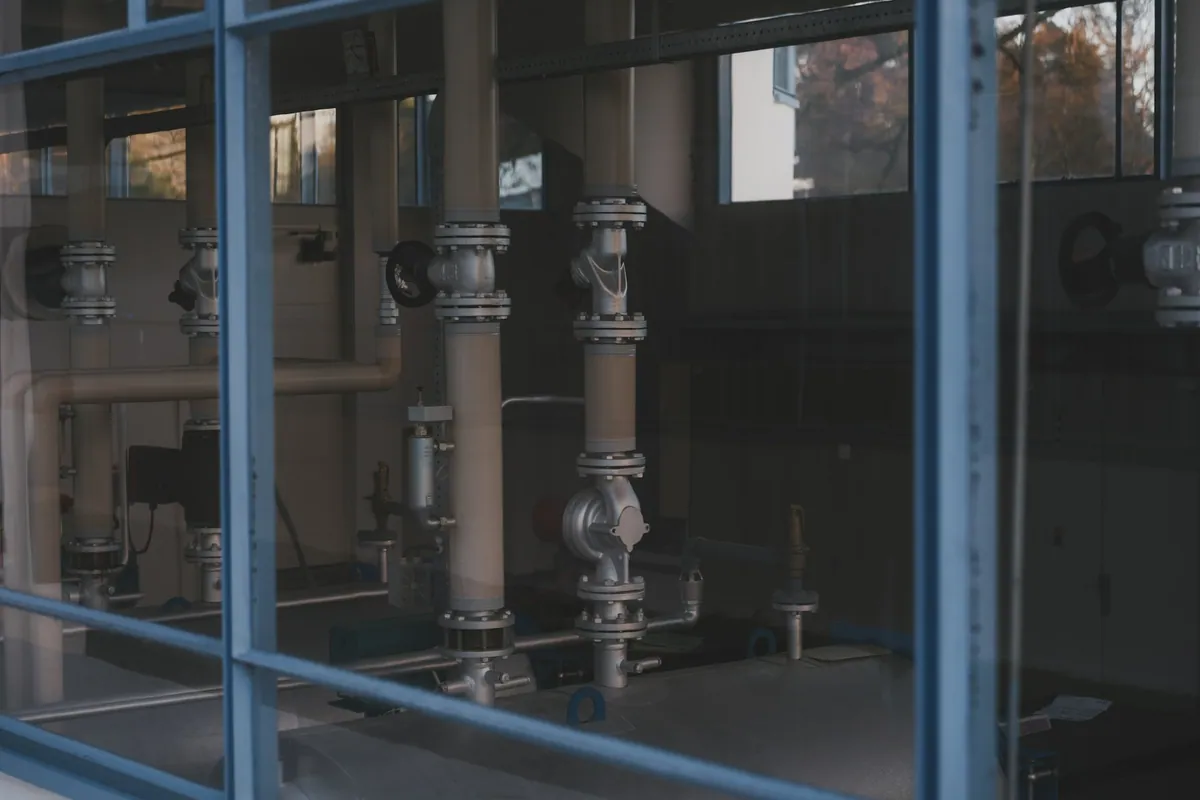
Review oil, steam, cooling, vacuum and other utility routes with equipment connections, supports and maintenance space. The geometry model supports that review; piping calculations, stress checks and safety assessments need their own deliverables.
Agree the engineering package
Spetia can coordinate process, piping, structure and services within the agreed plant engineering scope. Start with the process route, supplier information and site requirements, then assign the specialist design and approval responsibilities.
Technical references
Sources for the definitions and design context discussed here. Check the applicable edition and project requirements before using them in design.
- 01
- 02
- 03