On this page
Overview
- BIM can help review design interfaces and construction sequence before installation.
- Off-site production only shortens the programme when procurement, site readiness and installation align.
- Check the effect on the critical path rather than reporting every faster task as a project saving.
BIM can help a project team resolve design conflicts, plan installation and prepare prefabrication work earlier. Those changes can reduce delays if the team acts on the information. This guide looks at four ways that happens and what to measure on your project.
Where BIM can help the schedule
- 01Coordinated issue review
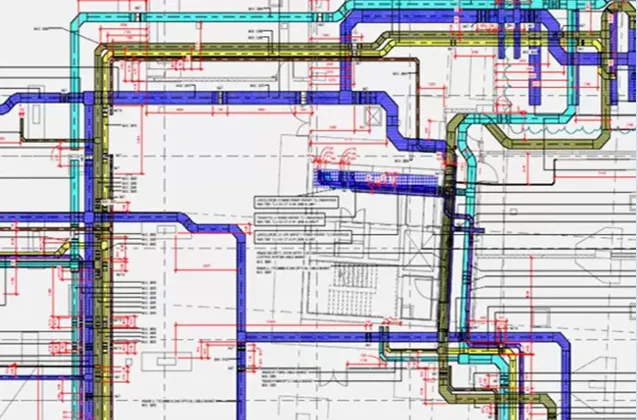
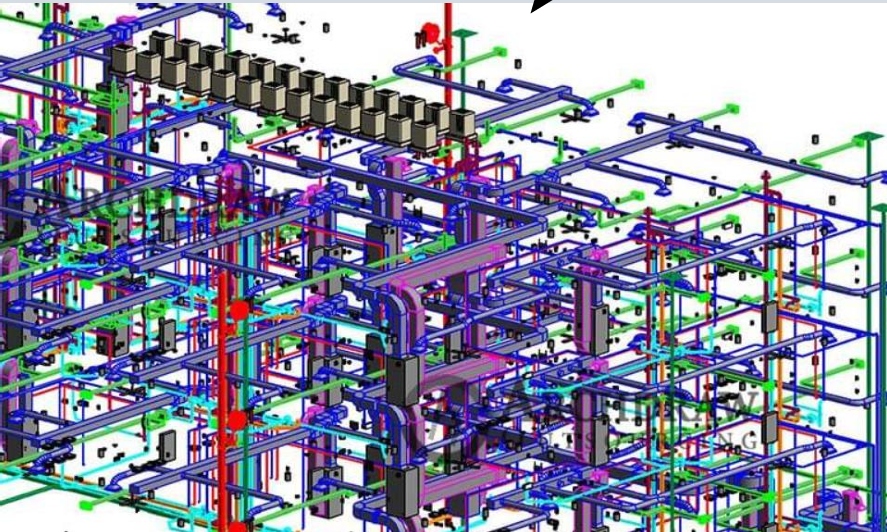
Resolving identified conflicts in the model can reduce the risk of site stoppages and rework; track the issue log through closure to measure the effect.
- 02Prefabrication
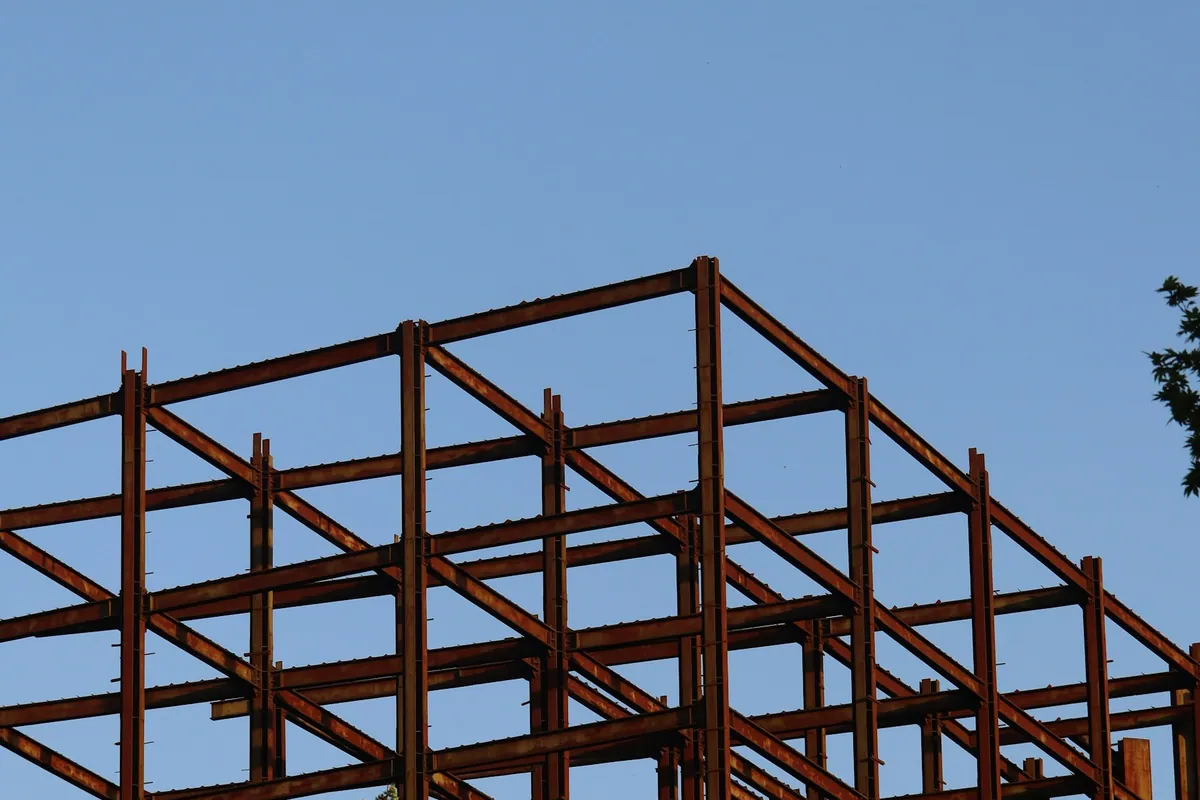
Review whether off-site fabrication can run alongside site preparation. Include design release, procurement, transport, lifting and installation in the comparison.
- 034D sequencing
Linking the model to the schedule reveals sequencing conflicts and lets you plan a build order that keeps trades flowing and space available.
- 04Fewer RFIs and change orders
Use coordinated information to answer design and installation questions earlier. Track queries, response time and reopened issues to see whether the approach helps.
Review your project schedule
Schedule effects depend on the design maturity, procurement model, team decisions, fabrication strategy, issue closure, and programme integration. Define the intended BIM uses and measures before attributing a schedule outcome to the model.
Technical references
Sources for the definitions and design context discussed here. Check the applicable edition and project requirements before using them in design.
- 01
- 02