On this page
Overview
- A digital twin represents a physical asset or process and is updated with relevant operating information.
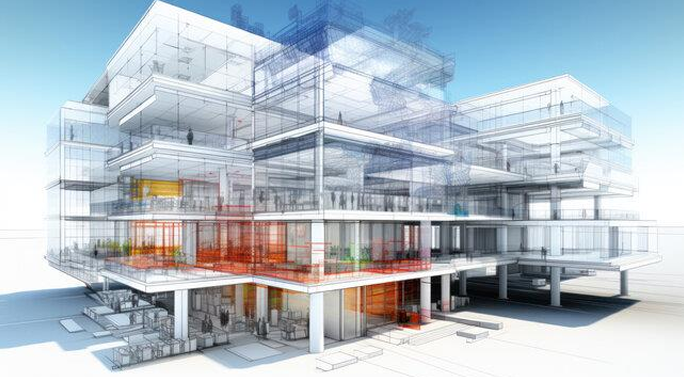
- It can use BIM geometry, but not every twin needs a detailed 3D model or a continuous live feed.
- Choose a decision to support, then validate the model and the data needed for it.
A plant digital twin links a representation of the facility or process with operating information. The useful starting point is a decision: which pump needs investigation, how a proposed change affects production, or whether energy use is drifting.
Define the model and its updates
A twin may use equipment records, geometry, sensor data or a process simulation. Decide how frequently each input must update and how to handle missing or stale values. Adding a dashboard to a BIM file does not by itself validate a prediction.
Where the value is
- Maintenance: investigate changes in equipment behavior, with agreed thresholds and an action owner.
- Energy: compare operating data with a defined baseline and account for changing production.
- Operations: connect asset identifiers with the records operators need.
- Scenario studies: validate the model within its intended operating range before using forecasts to support a change.
Start with one operational question
A digital twin can support agreed operational use cases when its asset model, identifiers, data quality, interfaces, ownership, maintenance, and security are governed. Spetia can scope the model and integration inputs for a measurable pilot.
Technical references
Sources for the definitions and design context discussed here. Check the applicable edition and project requirements before using them in design.
- 01