On this page
Overview
- AI-assisted triage may help group and prioritize coordination results.
- A rule-based check is not necessarily machine learning. Ask what the proposed tool actually does.
- Measure missed issues and review effort, not just how short the resulting list becomes.
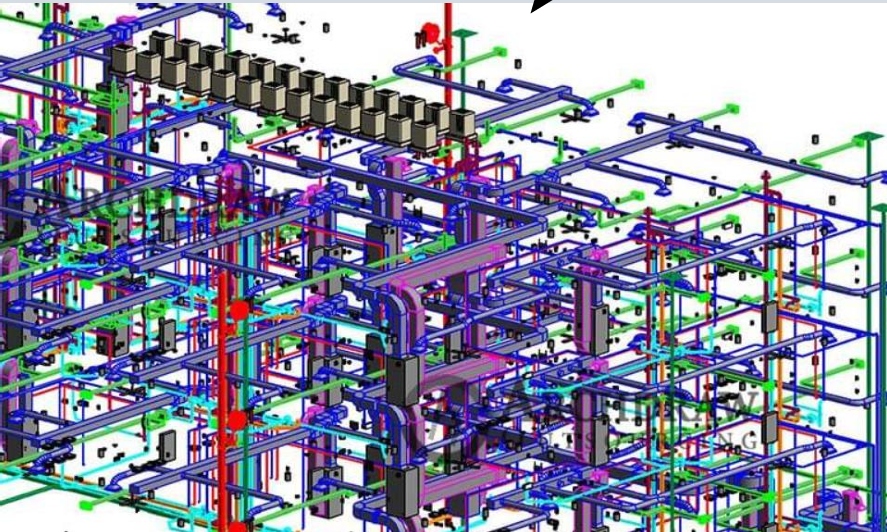
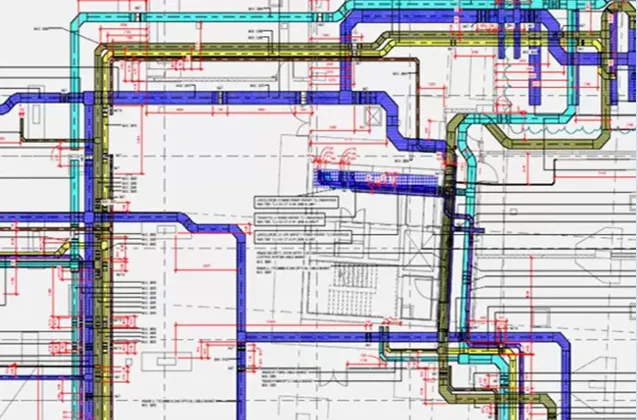
A clash report can contain thousands of results, including duplicates and minor overlaps. The coordination team still has to identify which ones need action. AI-assisted tools can help group and prioritize results, with engineers checking the decisions.
The triage problem
A raw report may mix repeated results, approved interfaces and real conflicts. Before testing AI, check the model versions, test sets, tolerances and grouping rules. A shorter list is useful only if important issues remain visible.
Why it matters
- Compare results with a human-reviewed sample from the same project type.
- Record false alarms and significant issues the tool misses.
- Keep a reviewer responsible for priorities and approved resolutions.
- Check whether time saved in sorting exceeds the additional checking and correction work.
Coordinate on what matters
AI-assisted issue triage may help a coordination team focus its review, but the project should measure review time, precision, missed issues, issue closure, rework, and programme effects before claiming an improvement.
Technical references
Sources for the definitions and design context discussed here. Check the applicable edition and project requirements before using them in design.
- 01
- 02