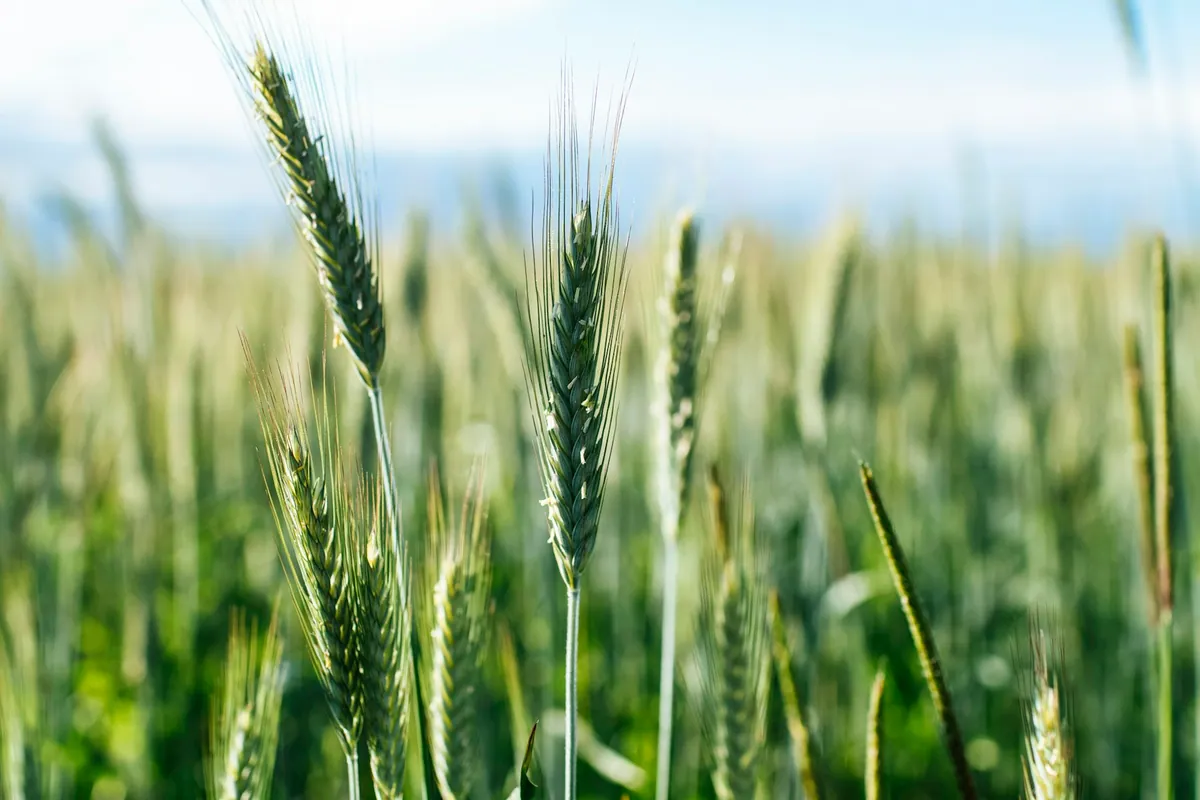
Golden wheat field representing raw material for a flour mill

Flour Mill Plant Design: Roller Milling Layout & Yield

Spetia Engineering R&D·January 28, 2026·10 min read
Key takeaways
  • 01Roller flour milling is a gradual reduction system: break rolls open the wheat, purifiers and sifters separate streams, and reduction rolls grind endosperm to flour.
  • 02Extraction rate (flour per 100 kg wheat) is the core economic metric; the milling diagram — how streams are routed — determines both extraction and flour quality.
  • 03Flour mills are tall, vibration-sensitive plants: sifters must be isolated and the pneumatic conveying network is central, not an afterthought.
  • 04A federated BIM model coordinates the mill machinery, dense pneumatic lifts, structure, and aspiration — the four systems that clash most in flour mills.

A roller flour mill is one of the most elegant continuous processes in food engineering: wheat is not simply crushed but progressively opened, separated, and reduced across dozens of passages so that bran and endosperm part cleanly and flour of a defined extraction and ash content emerges. The plant that does this is tall, pneumatic, and vibration-sensitive — which makes flour mill plant design a serious structural and coordination exercise.

The gradual reduction milling system

Modern flour milling is built on gradual reduction — never trying to make flour in one crush. Wheat passes through a sequence of roller mills and sifters, with each stage doing a specific job:

  1. 01
    Cleaning & conditioning (tempering)

    Wheat is cleaned, then water is added and rested so bran toughens and endosperm mellows — this is what lets bran separate cleanly later.

  2. 02
    Break system

    Corrugated break rolls open the wheat kernel and scrape endosperm from bran across successive break passages (B1–B4+).

  3. 03
    Purification

    Purifiers use air and sieves to separate semolina and middlings by size and density, sending clean endosperm forward.

  4. 04
    Reduction system

    Smooth reduction rolls progressively grind purified middlings into flour across many reduction passages.

  5. 05
    Sifting

    Plansifters sieve the output of every passage into flour, over-tails, and streams that recirculate — the heart of the milling diagram.

Layout, structure & pneumatic conveying

Flour mills are multi-storey by nature: roller mills on one floor, plansifters hung above, purifiers and pneumatic lifts threading between them. Two engineering realities dominate the layout.

  • Vibration isolation: plansifters are large oscillating masses. Their support structure must be designed and isolated so vibration is not transmitted into the building or neighbouring machines.
  • Pneumatic conveying: modern mills move product between passages pneumatically. The network of lift pipes, cyclones, and filters is a primary system that must be coordinated with structure and machinery, not routed around them at the end.
  • Aspiration and dust control: flour dust is combustible. The aspiration and explosion-protection design is a safety-critical part of the layout.
72–78%
Typical straight-grade flour extraction
B1–R6+
Passages in a full milling diagram
3–6
Floors in a commercial roller mill

Extraction, quality, and a coordinated build

A flour mill lives and dies on extraction and consistency, and both depend on a plant that faithfully realises the milling diagram with clean pneumatic flow and stable, isolated machinery. Spetia Engineering coordinates machinery, pneumatics, structure, and aspiration in one model so the mill you commission delivers the extraction you designed for.

Frequently asked questions

What is a good flour extraction rate?+
Straight-grade white flour extraction is typically 72–78% of clean wheat, depending on wheat quality, the milling diagram, and the target flour ash. Higher extraction increases yield but raises ash/bran content, so the target is a commercial balance set by the flour specification.
Why is gradual reduction used instead of single-stage grinding?+
Gradual reduction opens and separates the kernel across many passages so bran and endosperm part cleanly, producing higher-quality, lower-ash flour at good extraction. Single-stage crushing would contaminate flour with bran and destroy quality and yield.
Why do flour mills need special vibration design?+
Plansifters are large oscillating masses. If their support structure is not properly designed and isolated, vibration transmits into the building and adjacent machines, causing fatigue and process problems. Vibration isolation is a core part of the structural layout.