Process plant machinery representing pulse milling equipment

Dal Mill (Pulse Mill) Plant Design: Process & Layout

Spetia Engineering R&D·February 4, 2026·9 min read
Key takeaways
  • 01Dal milling splits and dehusks pulses through cleaning → pitting/scratching → oil & water pre-treatment & conditioning → dehusking & splitting → grading & polishing.
  • 02Pulse dehusking is harder than cereal milling because husk adheres tightly; pre-treatment (oil, water, sun/thermal conditioning) is what makes clean splitting possible.
  • 03Dal yield and low broken-percentage are the economic KPIs; roller gap and conditioning control both.
  • 04Layouts must handle multiple conditioning yards and recirculation loops, which BIM coordination keeps clash-free and buildable.

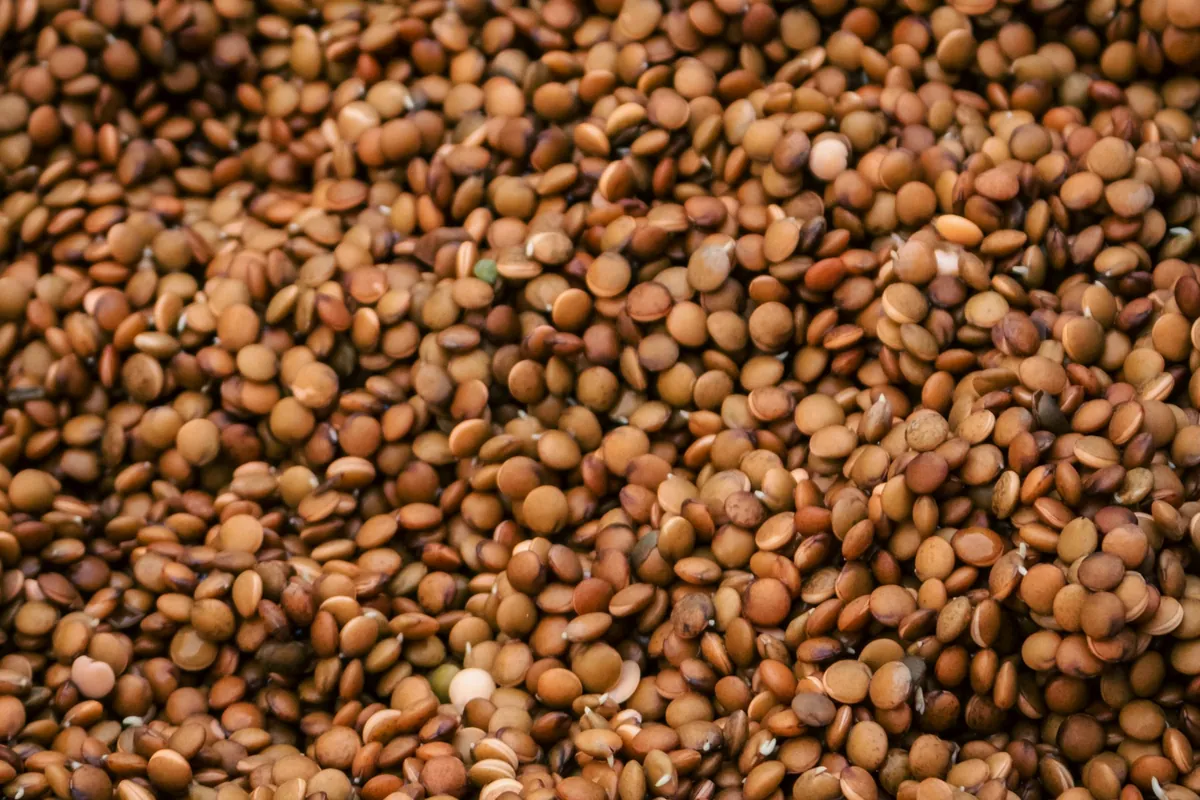
Dal milling — turning whole pulses like toor, chana, moong, or urad into clean split dhal — is one of the trickiest grain processes to engineer, because pulse husk clings to the cotyledon far more stubbornly than cereal bran. A dal mill is therefore built around conditioning: cycles of oil or water treatment and drying that loosen the husk before mechanical dehusking and splitting. Get the conditioning and layout right and you win on yield and low breakage; get it wrong and the mill produces powder and rejects.

The dal milling process

  1. 01
    Cleaning & grading

    Raw pulses are cleaned of dust, chaff, stones, and metal, then graded by size so downstream treatment is uniform.

  2. 02
    Pitting / scratching

    Emery rollers scratch the husk surface so oil and water can penetrate during conditioning.

  3. 03
    Pre-treatment & conditioning

    Pulses are treated with oil and/or water and conditioned (sun-dried or thermally dried) over one or more cycles to loosen the husk from the cotyledon.

  4. 04
    Dehusking & splitting

    Roller machines (emery/roller dehuskers) remove husk and split the pulse into two cotyledons (dhal).

  5. 05
    Separation & grading

    Husk, unsplit grain, brokens, and finished dhal are separated by aspiration and sieving; unsplit grain recirculates.

  6. 06
    Polishing & packing

    Dhal is polished (with or without oil/water/leather polishers) to the finished appearance and packed.

Layout considerations unique to dal mills

  • Conditioning capacity: drying yards or dryers and intermediate storage between conditioning cycles often dominate the footprint.
  • Recirculation loops: unsplit grain returns for re-treatment, so the layout must handle multiple partial streams without cross-contaminating grades.
  • Aspiration: husk and powder are light and pervasive; a robust aspiration and dust-control network is essential.
  • Flexibility: mills often process several pulse types with different conditioning recipes, so equipment access and changeover must be designed in.
68–75%
Typical dhal recovery (variety-dependent)
2–3
Conditioning cycles for hard pulses

A buildable dal mill, coordinated once

Dal mills fail on the details — a conditioning loop with nowhere to go, an aspiration network that can’t keep up, grades that cross. Spetia Engineering designs the process, structure, and services together in one model so those details are resolved before construction, protecting yield, quality, and schedule.

Frequently asked questions

Why is dal milling harder than rice or flour milling?+
Pulse husk adheres tightly to the cotyledon, so it cannot simply be abraded off like cereal bran. Dal mills rely on conditioning — oil and/or water pre-treatment plus drying cycles — to loosen the husk before dehusking and splitting, which makes the process and layout more complex.
What is a typical dhal recovery rate?+
Dhal recovery is typically around 68–75% depending on the pulse variety, grain quality, and how well conditioning and dehusking are controlled. Minimising broken dhal is as important as raw recovery because brokens are a value downgrade.
What dominates a dal mill footprint?+
Conditioning capacity — drying yards or mechanical dryers plus intermediate storage between treatment cycles — often takes the most space, along with cleaning and finished-goods storage. The milling machinery itself is relatively compact.